0% Financing For 12 Months
Senior & ADA Bathroom Remodeling
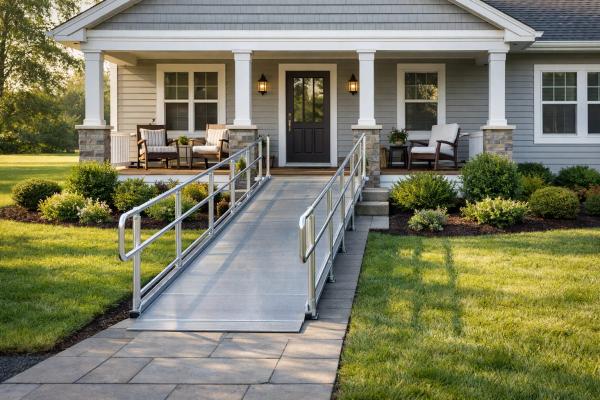
Create safe, accessible bathrooms with grab bars, curbless showers, and ADA-compliant features—beautifully designed for aging in place.
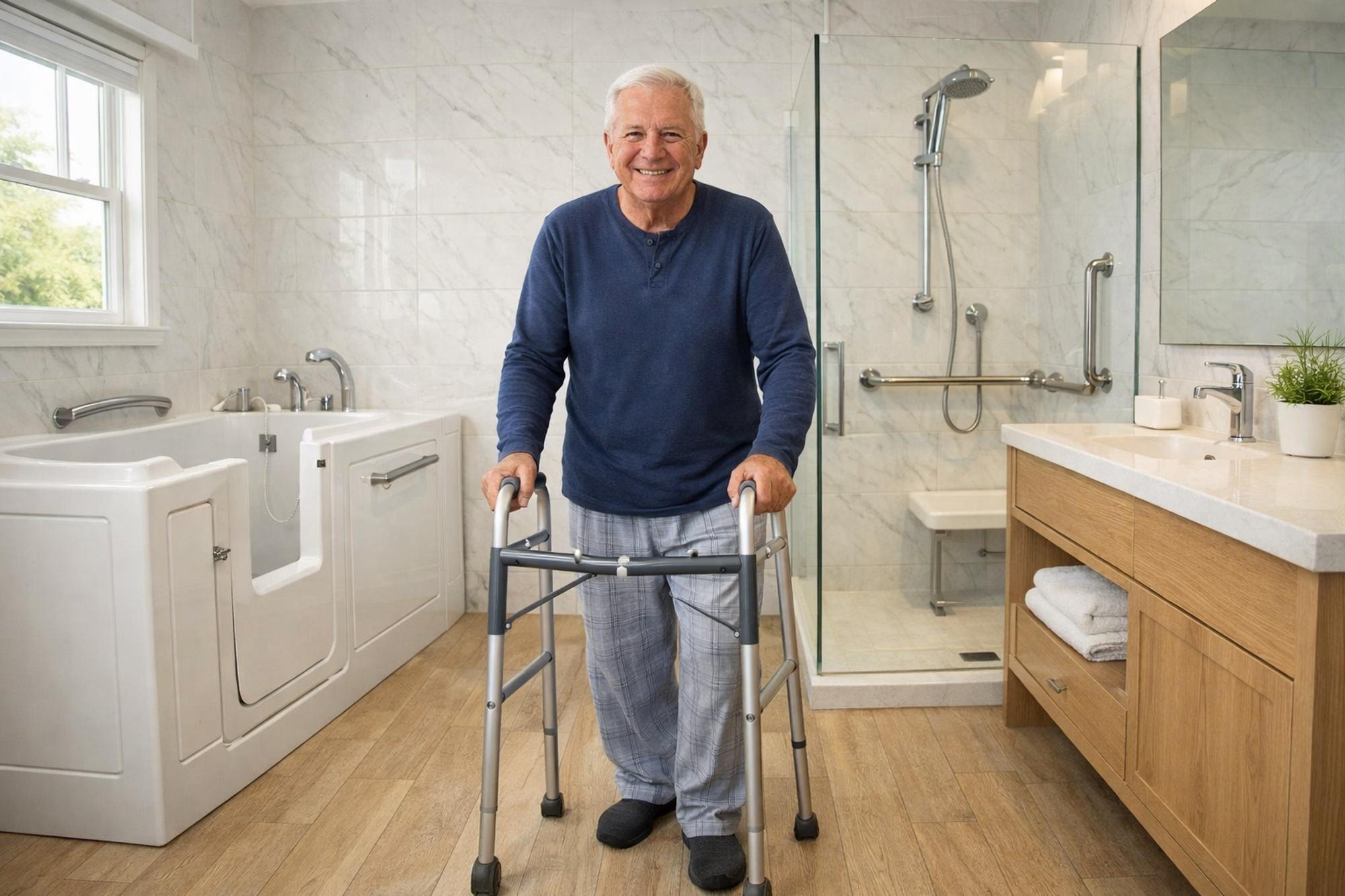
Create safe, accessible bathrooms with grab bars, curbless showers, and ADA-compliant features—beautifully designed for aging in place.
Get a personalized estimate for your ADA bathroom remodels project
"The bathroom remodel came out better than I imagined. It was done before the quoted deadline. Daily communication of when workers would show up."
"We cannot say enough positive things about Eugene and his team! From the very first meeting/estimate, Eugene was knowledgeable and efficient. He paid close attention to detail..."
"My husband started our bathroom remodeling project by demolishing our old tub and shower. And although he was totally capable of finishing the project, with a full-time career he..."
"We found a leak in our shower and ended up going with western renovations for a new shower as their pricing was competitive with other bids we received. They did an amazing job..."
"Prices very the cheapest out of all other places I went and they are very fast and convenient so I don’t have to worry abt anything"
"We just finished a remodel with Western Renovations on our master bathroom. We had the standard basic builder shower and tub and now we have a beautiful shower and vanity."
"Outstanding, the best experience"
"We replaced our bathtub with new shower and they did an excellent job. I love the sincerity of all the guys who worked. They are all nice and know their job very well. I would..."
"Vitaly came highly recommended and he and his brother, Andrei, did not disappoint. They did a tub/shower enclosure and a shower stall for us and the results speak for themselves...."
"I was recently in the market to have both my showers remodeled since new home builders don’t know how to properly install them and put the cheapest junk in they could get away..."
"Working with Eugene and his team was so easy. They showed up on time everyday, covered all floor surfaces, taped off all walls, and got the job done in a very timely manner. They..."
"QUALITY! QUALITY! QUALITY!!! WORTH EVERY PENNY, this journey started when we purchased a home and wanted to expand the dinning room area. From design, engineering, permitting and..."
"The bathroom remodel came out better than I imagined. It was done before the quoted deadline. Daily communication of when workers would show up."
"We cannot say enough positive things about Eugene and his team! From the very first meeting/estimate, Eugene was knowledgeable and efficient. He paid close attention to detail..."
"My husband started our bathroom remodeling project by demolishing our old tub and shower. And although he was totally capable of finishing the project, with a full-time career he..."
"We found a leak in our shower and ended up going with western renovations for a new shower as their pricing was competitive with other bids we received. They did an amazing job..."
"Prices very the cheapest out of all other places I went and they are very fast and convenient so I don’t have to worry abt anything"
"We just finished a remodel with Western Renovations on our master bathroom. We had the standard basic builder shower and tub and now we have a beautiful shower and vanity."
"Outstanding, the best experience"
"We replaced our bathtub with new shower and they did an excellent job. I love the sincerity of all the guys who worked. They are all nice and know their job very well. I would..."
"Vitaly came highly recommended and he and his brother, Andrei, did not disappoint. They did a tub/shower enclosure and a shower stall for us and the results speak for themselves...."
"I was recently in the market to have both my showers remodeled since new home builders don’t know how to properly install them and put the cheapest junk in they could get away..."
"Working with Eugene and his team was so easy. They showed up on time everyday, covered all floor surfaces, taped off all walls, and got the job done in a very timely manner. They..."
"QUALITY! QUALITY! QUALITY!!! WORTH EVERY PENNY, this journey started when we purchased a home and wanted to expand the dinning room area. From design, engineering, permitting and..."
★ Voted #1 ADA Bathroom Remodels Contractor in Roseville • 53+ Five-Star Reviews on Google
Quick Answer
Senior and ADA bathroom remodeling creates safe, accessible bathrooms for aging in place, typically costing $15,000–$45,000 in Roseville, California. Key features include curbless walk-in showers, strategically placed grab bars, comfort-height toilets (17–19 inches), non-slip flooring, and wheelchair-accessible vanities. Western Renovations specializes in accessible bathroom design that combines ADA compliance with beautiful aesthetics, serving Sun City Roseville, Lincoln Hills, and Greater Sacramento seniors.
Create safe, accessible bathrooms with grab bars, curbless showers, and ADA-compliant features—beautifully designed for aging in place.
Accessible bathroom design requires expertise beyond standard remodeling. Proper clearances, weight-bearing installations, and waterproofing demand careful planning and skilled execution. Western Renovations guides Roseville homeowners through every decision.
Assessment and consultation — We evaluate your current bathroom layout, discuss specific mobility needs, and identify opportunities for improvement. Whether you need full ADA compliance or targeted accessibility upgrades, we tailor recommendations to your situation.
Custom design — Our team creates layouts that maximize safety without sacrificing style. We balance accessibility requirements with your aesthetic preferences, ensuring your bathroom feels like home rather than a clinical space.
Expert installation — Accessibility features require precise installation. Grab bars must anchor into blocking or studs. Curbless showers need exact slope calculations. Our crews understand these requirements and execute them correctly.
Final walkthrough — We review every feature with you, demonstrating proper use and ensuring everything meets your expectations and accessibility needs.
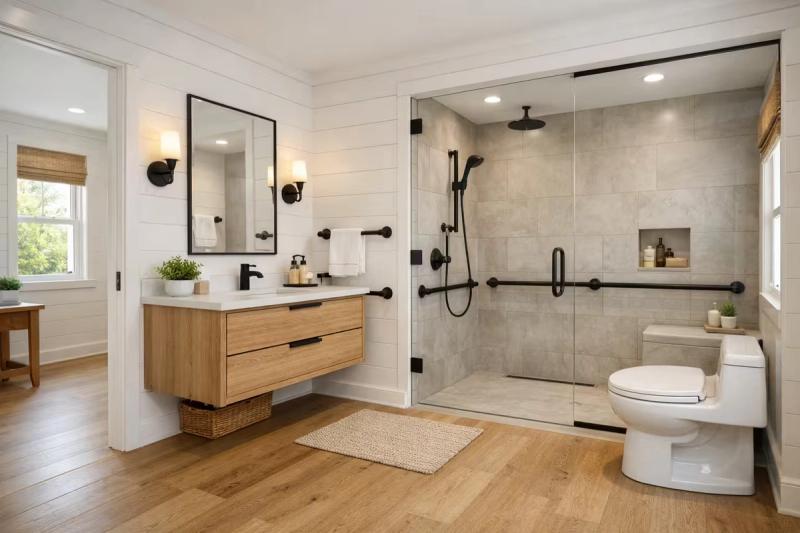
Beyond the essentials, these features further enhance bathroom safety and independence for aging-in-place and mobility needs.
Lighting and visibility upgrades:
Flooring and surface considerations:
Additional support features:
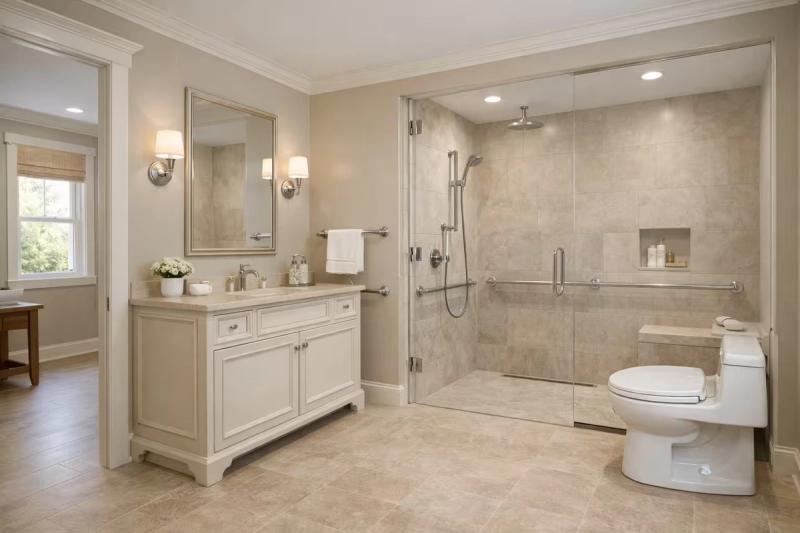
Understanding the difference between ADA compliance and aging-in-place design helps you choose the right approach for your household.
ADA compliance refers to specific standards established by the Americans with Disabilities Act. These requirements apply to public accommodations and include precise measurements for clearances, fixture heights, and grab bar placement. Full ADA compliance is essential when accommodating wheelchairs or meeting legal requirements for accessible housing.
Aging-in-place design incorporates accessibility principles without necessarily meeting every ADA specification. This approach anticipates future needs while maintaining a traditional residential appearance. Many homeowners choose aging-in-place features that provide safety benefits now and accommodate potential mobility changes later.
Our approach — We help you determine which standard fits your needs. Some Roseville homeowners require full ADA compliance for current wheelchair users. Others prefer aging-in-place modifications that add safety without dramatic visual changes. We design and build to either standard based on your specific situation.
Bathroom size and configuration influence accessibility options. Here are approaches we recommend for common Roseville bathroom layouts.
Small bathrooms (under 50 square feet) Limited space requires creative solutions. We prioritize curbless shower conversions, wall-mounted sinks with knee clearance, and strategically placed grab bars. Pocket doors recover swing space. Every inch serves a purpose.
Medium bathrooms (50–75 square feet) Most standard bathrooms fall into this range. We can typically accommodate curbless showers with built-in seating, comfort-height toilets with side clearance, and accessible vanities while maintaining storage and counter space.
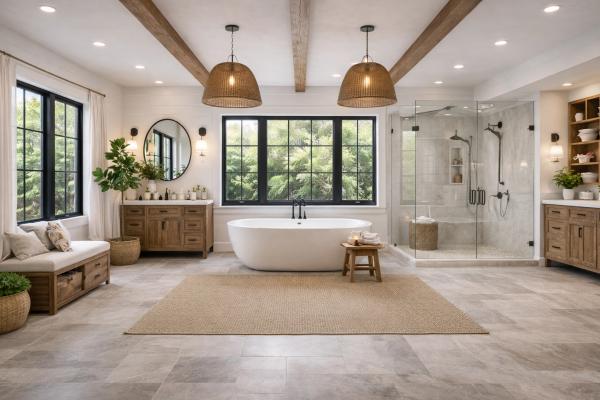
Large bathrooms (over 75 square feet) Spacious bathrooms offer full accessibility potential. We design layouts with generous clearances, roll-in showers with multiple features, separate toilet compartments, and accessible vanities—all while creating a cohesive, luxurious design.
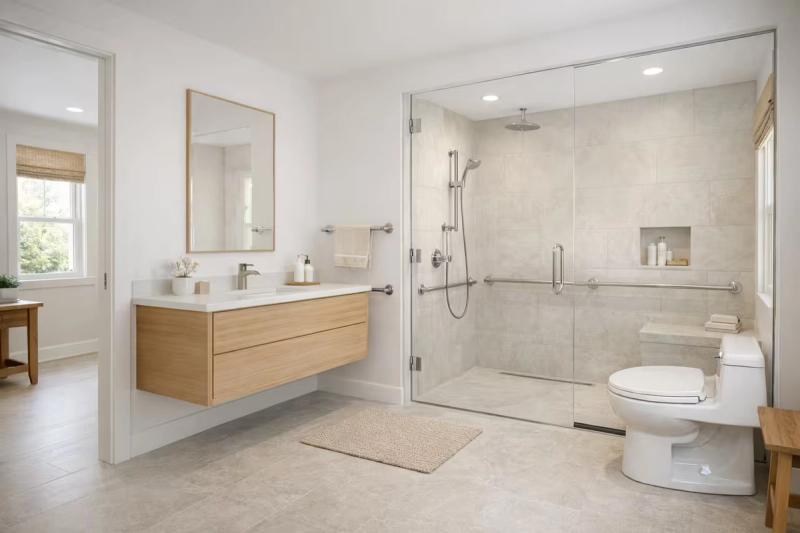
Accessible bathroom design serves a broader population than many homeowners realize.
Households that benefit from accessibility features:
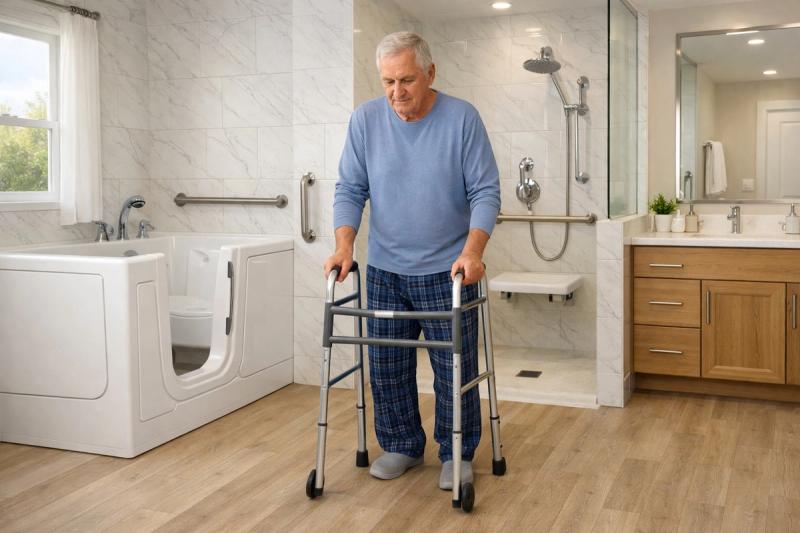
Accessible bathroom features require more than surface-level installation. Improper execution compromises safety—the very thing these features are meant to provide.
Why professional installation matters:
Western Renovations brings the expertise these installations require. Our crews are trained in accessibility standards and execute every detail correctly.
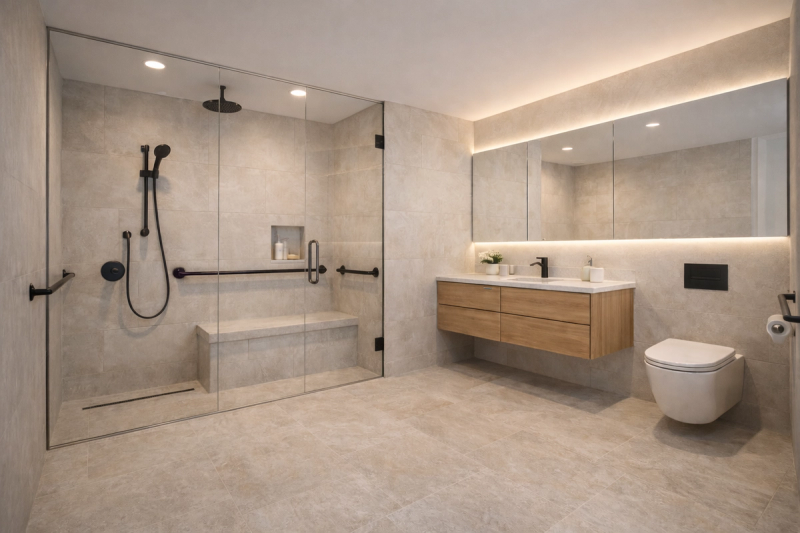
Accessible bathroom remodels vary in scope and investment. Understanding typical ranges helps you plan appropriately.
Targeted accessibility upgrades — Adding grab bars, replacing a toilet with comfort-height model, and installing a handheld showerhead typically completes in two to three days. This cost-effective approach addresses immediate safety concerns without full remodel.
Tub-to-curbless-shower conversion — Converting an existing tub to a zero-threshold walk-in shower with built-in seating and grab bars typically takes one to two weeks. This popular option dramatically improves accessibility within an existing footprint.
Complete accessible bathroom remodel — Full remodel including curbless shower, accessible vanity, comfort-height toilet, new flooring, and comprehensive grab bar installation typically requires two to four weeks depending on scope and complexity.
We provide detailed estimates covering materials, labor, and timeline so you can make informed decisions about your accessible bathroom investment.
Creating a safer, more accessible bathroom starts with understanding your specific needs and goals. Contact Western Renovations to schedule a consultation. We'll assess your current bathroom, discuss accessibility priorities, and explain options that balance safety, independence, and design.
Whether you need full ADA compliance or thoughtful aging-in-place modifications, we deliver accessible bathrooms Roseville homeowners trust.
No hidden fees. No pressure. Just a transparent quote from a licensed contractor you can trust.
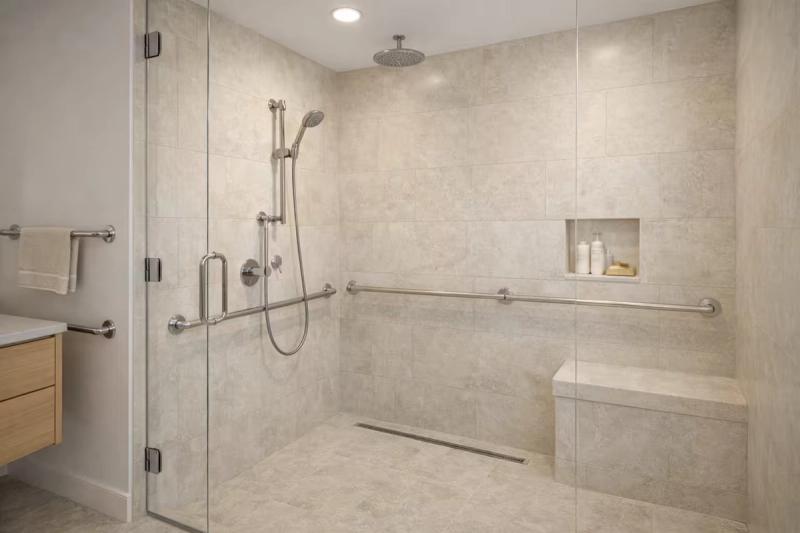
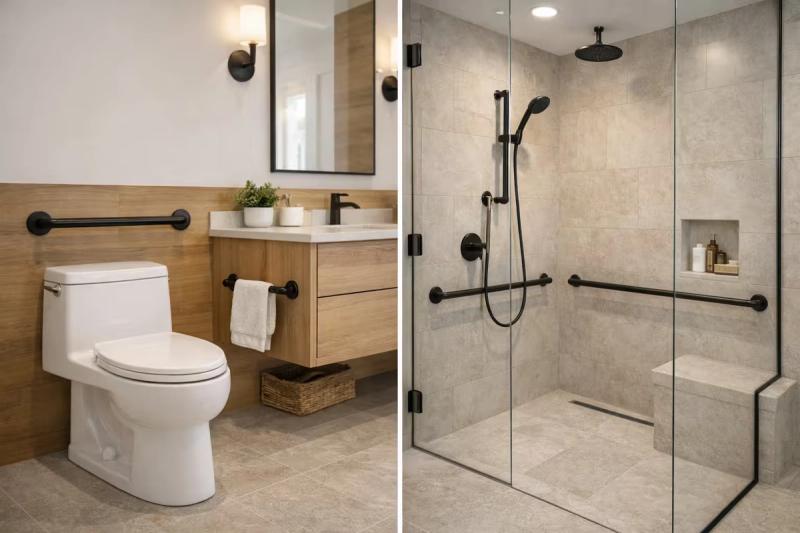
Our accessible shower materials combine safety features with attractive design because your bathroom should look as good as it functions.
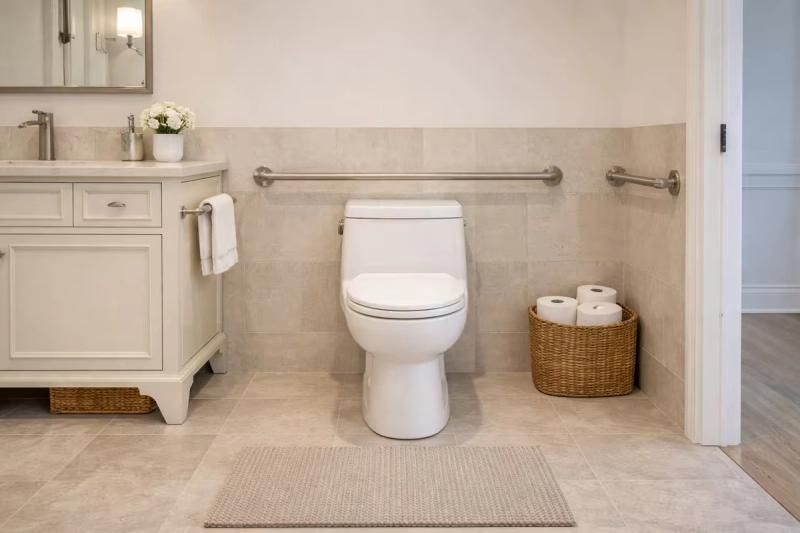
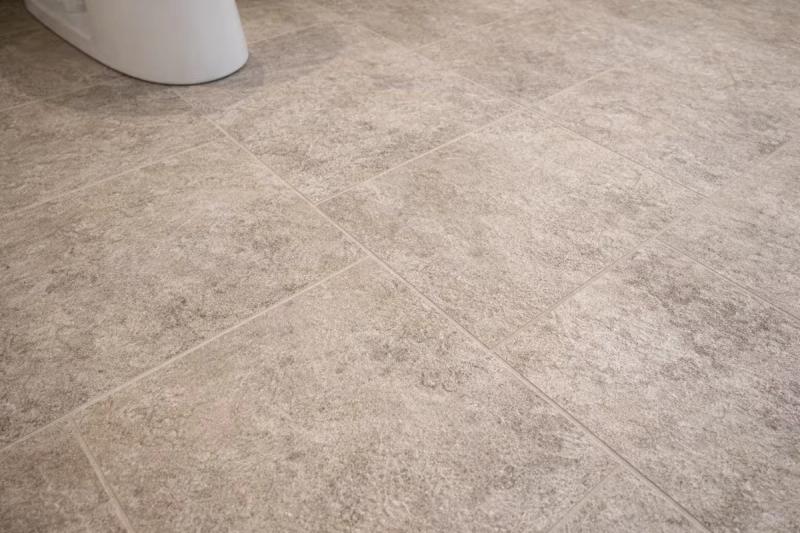
Thorough evaluation of your current bathroom and discussion of your specific mobility needs, goals, and future considerations.
Custom bathroom design incorporating ADA guidelines and aging-in-place best practices while maintaining beautiful aesthetics.
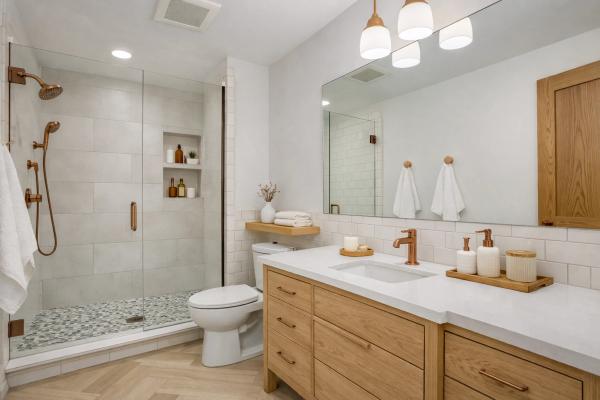
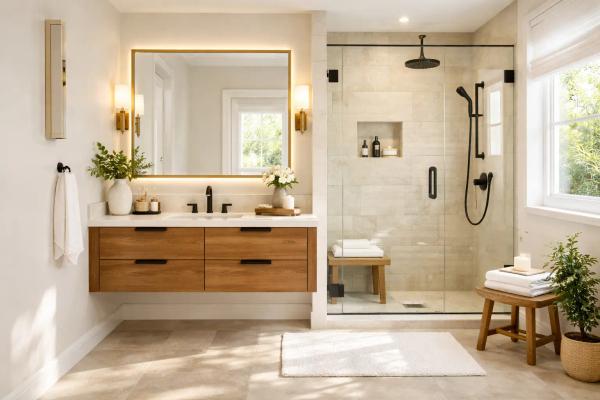
Zero-threshold shower with proper waterproofing, slip-resistant flooring, built-in seating options, and hand-held showerhead.
Strategically placed, ADA-compliant grab bars secured to proper blocking—supporting 250+ pounds with decorative finishes.
17–19 inch ADA-height toilet with appropriate clearances and nearby grab bars for safe transfers.
Vanity modifications including lever faucets, appropriate heights, and knee clearance where needed for wheelchair access.
Slip-resistant flooring throughout with appropriate coefficient of friction ratings for wet areas.
Enhanced lighting design including task lighting, night lighting, and proper illumination to prevent accidents.
An accessible bathroom allows you to care for yourself without assistance. Bathing, toileting, and grooming remain private activities, preserving dignity and self-reliance.
Strategic modifications dramatically reduce fall risk—the leading cause of injury among older adults. Grab bars, non-slip surfaces, and curbless entries create genuinely safer spaces.
Stay in the home you love rather than moving to assisted living. Proactive accessibility modifications support independent living for years or decades to come.
Modern accessible features come in attractive styles. Grab bars match other fixtures, curbless showers create spa-like aesthetics, and comfort-height toilets look completely standard.
Whether recovering from surgery, managing a chronic condition, or anticipating future mobility changes, accessible bathrooms adapt to serve you at every stage.
If you need assistance, accessible bathrooms make caregiving safer and easier for everyone involved—more maneuvering room, transfer aids, and practical features.
For over a decade, we've been transforming homes across the Greater Sacramento area. Our commitment to excellence has earned us the trust of homeowners and countless 5-star reviews. Experience the difference that quality craftsmanship makes.
358+
Projects Completed
5.0
Average Rating
28+
Years Experience
"The bathroom remodel came out better than I imagined. It was done before the quoted deadline. Daily communication of when workers would show up. -Mela..."
"We cannot say enough positive things about Eugene and his team! From the very first meeting/estimate, Eugene was knowledgeable and efficient. He paid ..."
"My husband started our bathroom remodeling project by demolishing our old tub and shower. And although he was totally capable of finishing the projec..."
"We found a leak in our shower and ended up going with western renovations for a new shower as their pricing was competitive with other bids we receive..."
"Prices very the cheapest out of all other places I went and they are very fast and convenient so I don’t have to worry abt anything..."
"We just finished a remodel with Western Renovations on our master bathroom. We had the standard basic builder shower and tub and now we have a beauti..."
"Outstanding, the best experience We rate our experience with Western renovations 7 out 5. What they did: They remodeled our master closets and bathr..."
"We replaced our bathtub with new shower and they did an excellent job. I love the sincerity of all the guys who worked. They are all nice and know the..."
"Vitaly came highly recommended and he and his brother, Andrei, did not disappoint. They did a tub/shower enclosure and a shower stall for us and the r..."
"I was recently in the market to have both my showers remodeled since new home builders don’t know how to properly install them and put the cheapest ju..."
"Working with Eugene and his team was so easy. They showed up on time everyday, covered all floor surfaces, taped off all walls, and got the job done i..."
"QUALITY! QUALITY! QUALITY!!! WORTH EVERY PENNY, this journey started when we purchased a home and wanted to expand the dinning room area. From design,..."
"Western Renovations has been incredibly helpful with working with our organization on renovations for our commercial building. They were by far the mo..."
"Western Renovations did an amazing job remodeling our bathroom here in Roseville! Our old bathroom was super outdated and falling apart—it only had on..."
"From start to finish, Western Renovations completely exceeded our expectations. We’re located in Roseville and needed a total bathroom overhaul—ours w..."
"I had the pleasure of working with Eugene and the team at Western Renovations to build an ADU on my property, and the experience was top-tier from sta..."
"⭐️⭐️⭐️⭐️⭐️ “Reliable, professional, and detail-oriented—Eugene is the real deal” We hired Eugene for a general contracting project and couldn’t be ha..."
"Eugene and David went above and beyond on making me a stand alone office. Their pricing is very reasonable, showed up on time, and finished the projec..."
"Great team! We had a leak in our bathroom and needed a new shower and vanity. Western Renovations came out and went above and beyond. They are very fr..."
"I had a hole in the external siding of my home. Unfortunately, it had been there for quite some time, and dry rot and mold started to set in. Eugene w..."
"Had a bath remodel. customer service was excellent right from the start. My situation was a bit urgent due to water damage. Western Renovations had a ..."
"A-1 service in all categories possible..."
"We recently completed a big upstairs project that included 2 rooms, master bedroom, bathroom, and closet with Western Renovation, and we couldn’t be ..."
"The guys at Western renovations do excellent work, and do exactly what they say they're going to do. We had them do a bathroom for us and it came out ..."
"You won't find these contractors through Yelp reviews, advertising, or marketing campaigns. You won't discover them through AI searches or by Googling..."
"David and Eugene helped me out of a tough situation. I had water damage in a bathroom and needed a renovation done to replace bathtub, retile, and cle..."
"I couldn’t be happier with the results of my home remodel! From start to finish, Western Renovations was professional, attentive, and truly listened t..."
"Eugene and Alex were outstanding. A very professional job from start to finish. Their attention to detail and cleanliness is very much appreciated. ..."
"Alex and Rafael did an amazing job installing tile across a 1,200 SF area! They were both professional in their work, considerate, and timely. The flo..."
"We were lucky to be introduced to Vitaly at the flooring store because the salesman just happened to know him and have his number handy. Shortly there..."
"Vitaliy was a pleasure to work with! We met him at Floor & Decor, and he promptly came by the next day for an estimate, starting the project immediate..."
"Vitaly at Western Renovations did an absolutely incredible job installing floor-to-ceiling tile in our master bathroom! From the very start, he impres..."
"I used western Renovations for my home renovations ( for bathrooms + Garage) and the whole process went very smooth and I was very happy with the prof..."
"Western Renovations did an amazing job remodeling my bathroom, kitchen, and hardwood floors in the kitchen. Vitaly gutted my kitchen and bathroom that..."
"Vitaly and Andrea worked on two of our bathrooms and did an amazing job. We are very happy with the work. They pay attention to the details to make su..."
"Aleksandr and his team did a great job with my master bathroom. I already had a contractor in mind when the tile store recommended Aleks’ family. I’m ..."
"Western Renovations did an amazing job remodeling two bathrooms and a living room wall in my coastal home. Andrey and Vitaliy had to navigate uneven w..."
"Vitaliy is one of the most genuine and helpful people that I know. While he is my main contractor, I also consider him a friend. He does excellent wo..."
"Lions development once again has made are dream room a reality. They have been nothing short of amazing. Can’t wait for them to start my next project...."
"I recently had my kitchen completely replaced. I was very pleased with the outcome. The attention to detail and willingness to work with me to design ..."
"Alex and Vitaly did 4 bathrooms in our home. They are honest and sincere, provided many valuable suggestions along the remodeling process and we are g..."
"They did an excellent job in the time frame estimated. They understood what style I was after in the bathroom and look forward to them doing our other..."
"The bathroom remodel came out better than I imagined. It was done before the quoted deadline. Daily communication of when workers would show up. -Mela..."
"We cannot say enough positive things about Eugene and his team! From the very first meeting/estimate, Eugene was knowledgeable and efficient. He paid ..."
"My husband started our bathroom remodeling project by demolishing our old tub and shower. And although he was totally capable of finishing the projec..."
"We found a leak in our shower and ended up going with western renovations for a new shower as their pricing was competitive with other bids we receive..."
"Prices very the cheapest out of all other places I went and they are very fast and convenient so I don’t have to worry abt anything..."
"We just finished a remodel with Western Renovations on our master bathroom. We had the standard basic builder shower and tub and now we have a beauti..."
"Outstanding, the best experience We rate our experience with Western renovations 7 out 5. What they did: They remodeled our master closets and bathr..."
"We replaced our bathtub with new shower and they did an excellent job. I love the sincerity of all the guys who worked. They are all nice and know the..."
"Vitaly came highly recommended and he and his brother, Andrei, did not disappoint. They did a tub/shower enclosure and a shower stall for us and the r..."
"I was recently in the market to have both my showers remodeled since new home builders don’t know how to properly install them and put the cheapest ju..."
"Working with Eugene and his team was so easy. They showed up on time everyday, covered all floor surfaces, taped off all walls, and got the job done i..."
"QUALITY! QUALITY! QUALITY!!! WORTH EVERY PENNY, this journey started when we purchased a home and wanted to expand the dinning room area. From design,..."
"Western Renovations has been incredibly helpful with working with our organization on renovations for our commercial building. They were by far the mo..."
"Western Renovations did an amazing job remodeling our bathroom here in Roseville! Our old bathroom was super outdated and falling apart—it only had on..."
"From start to finish, Western Renovations completely exceeded our expectations. We’re located in Roseville and needed a total bathroom overhaul—ours w..."
"I had the pleasure of working with Eugene and the team at Western Renovations to build an ADU on my property, and the experience was top-tier from sta..."
"⭐️⭐️⭐️⭐️⭐️ “Reliable, professional, and detail-oriented—Eugene is the real deal” We hired Eugene for a general contracting project and couldn’t be ha..."
"Eugene and David went above and beyond on making me a stand alone office. Their pricing is very reasonable, showed up on time, and finished the projec..."
"Great team! We had a leak in our bathroom and needed a new shower and vanity. Western Renovations came out and went above and beyond. They are very fr..."
"I had a hole in the external siding of my home. Unfortunately, it had been there for quite some time, and dry rot and mold started to set in. Eugene w..."
"Had a bath remodel. customer service was excellent right from the start. My situation was a bit urgent due to water damage. Western Renovations had a ..."
"A-1 service in all categories possible..."
"We recently completed a big upstairs project that included 2 rooms, master bedroom, bathroom, and closet with Western Renovation, and we couldn’t be ..."
"The guys at Western renovations do excellent work, and do exactly what they say they're going to do. We had them do a bathroom for us and it came out ..."
"You won't find these contractors through Yelp reviews, advertising, or marketing campaigns. You won't discover them through AI searches or by Googling..."
"David and Eugene helped me out of a tough situation. I had water damage in a bathroom and needed a renovation done to replace bathtub, retile, and cle..."
"I couldn’t be happier with the results of my home remodel! From start to finish, Western Renovations was professional, attentive, and truly listened t..."
"Eugene and Alex were outstanding. A very professional job from start to finish. Their attention to detail and cleanliness is very much appreciated. ..."
"Alex and Rafael did an amazing job installing tile across a 1,200 SF area! They were both professional in their work, considerate, and timely. The flo..."
"We were lucky to be introduced to Vitaly at the flooring store because the salesman just happened to know him and have his number handy. Shortly there..."
"Vitaliy was a pleasure to work with! We met him at Floor & Decor, and he promptly came by the next day for an estimate, starting the project immediate..."
"Vitaly at Western Renovations did an absolutely incredible job installing floor-to-ceiling tile in our master bathroom! From the very start, he impres..."
"I used western Renovations for my home renovations ( for bathrooms + Garage) and the whole process went very smooth and I was very happy with the prof..."
"Western Renovations did an amazing job remodeling my bathroom, kitchen, and hardwood floors in the kitchen. Vitaly gutted my kitchen and bathroom that..."
"Vitaly and Andrea worked on two of our bathrooms and did an amazing job. We are very happy with the work. They pay attention to the details to make su..."
"Aleksandr and his team did a great job with my master bathroom. I already had a contractor in mind when the tile store recommended Aleks’ family. I’m ..."
"Western Renovations did an amazing job remodeling two bathrooms and a living room wall in my coastal home. Andrey and Vitaliy had to navigate uneven w..."
"Vitaliy is one of the most genuine and helpful people that I know. While he is my main contractor, I also consider him a friend. He does excellent wo..."
"Lions development once again has made are dream room a reality. They have been nothing short of amazing. Can’t wait for them to start my next project...."
"I recently had my kitchen completely replaced. I was very pleased with the outcome. The attention to detail and willingness to work with me to design ..."
"Alex and Vitaly did 4 bathrooms in our home. They are honest and sincere, provided many valuable suggestions along the remodeling process and we are g..."
"They did an excellent job in the time frame estimated. They understood what style I was after in the bathroom and look forward to them doing our other..."
We evaluate your current bathroom and discuss your specific mobility needs, health considerations, and goals. We identify which modifications will provide the greatest benefit for your situation.
Our design team creates plans addressing your accessibility requirements while reflecting your aesthetic preferences. We show you how ADA-compliant features integrate beautifully into your bathroom.
You receive comprehensive documentation of all modifications, materials, and costs. We explain the purpose and benefits of each element so you can make informed decisions.
We handle permit applications while ordering materials and coordinating the schedule. We’ll discuss temporary bathroom arrangements during construction.
Our experienced crews complete the renovation with attention to both accessibility standards and craftsmanship. Grab bars are properly secured, floors slope correctly, and every detail meets requirements.
We demonstrate all accessibility features, ensure residents and caregivers understand how to use new equipment, and confirm your complete satisfaction.
We provide this service throughout Placer County, Sacramento County, and El Dorado County.
Got questions? We've got answers. Find everything you need to know about our services.
Still have questions?
We're here to help with personalized answers about your project.
Taking the first step toward an accessible bathroom is easier than you might think. Contact Western Renovations for a free accessibility consultation. We’ll evaluate your space, discuss your needs, and recommend modifications that will make a real difference.
Fill out the form below and we'll get back to you within 24 hours.